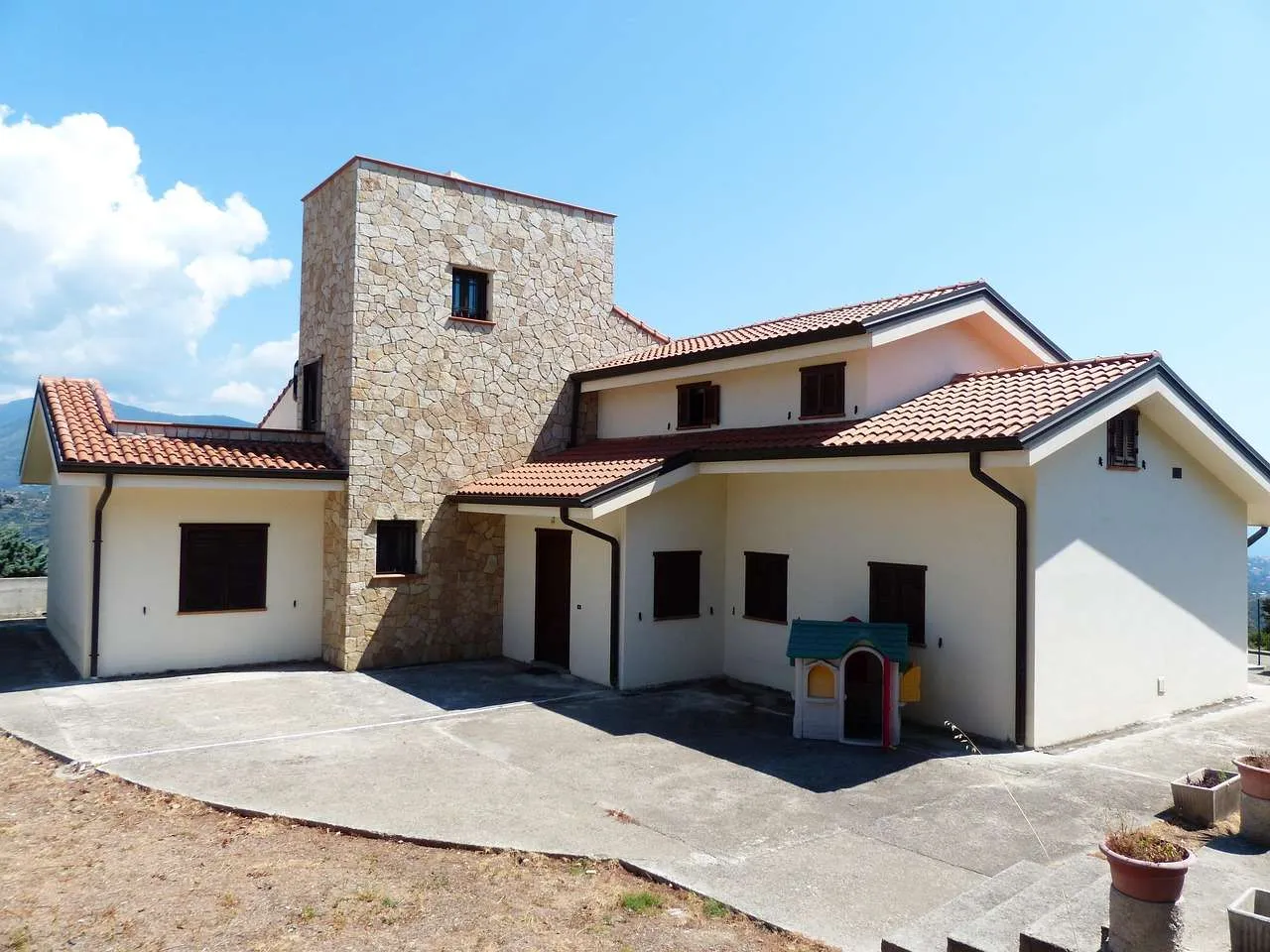
TPO roofing stands for thermoplastic olefin, a single ply membrane used on many commercial and low slope roofs. It is designed for fast installation, energy efficiency and long life. This guide explains what tpo roofing is, why it is chosen, typical costs, maintenance needs and how to select a qualified contractor. It also addresses common questions and provides practical tips for homeowners and building managers seeking reliable information.
What is tpo roofing
tpo roofing uses a flexible membrane that is heat welded at the seams to create a watertight roof. The surface is often white or light colored to reflect heat from the sun, which helps reduce cooling costs in warm climates. The material is lightweight and can be installed over various substrates with minimal disruption. In addition to the membrane itself, the system includes reinforcing layers and protective coatings that improve puncture resistance and durability in daily roof traffic.
Benefits of tpo roofing
- Energy efficiency through high reflectivity which lowers cooling loads
- Generally lower material cost compared to some alternatives
- Lightweight and straightforward installation on many buildings
- Flexibility for complex roof shapes and details
- Recyclable and relatively low environmental impact
- Welded seams that provide strong waterproof performance
Considerations and potential drawbacks
Quality and performance of tpo roofing can vary by manufacturer and installation method. It is important to consider thickness, ply count and the quality of welds. Some brands may offer multiple formulations, so choosing a proven product with appropriate warranties matters. Local climate and roof design can influence performance, including resistance to hail or high UV exposure. A reputable contractor will explain material choices, warranty terms and expected service life based on your climate and building use.
Installation and maintenance tips
To maximize the life of tpo roofing, hire a contractor with proven experience in single ply systems. Ensure the project includes a comprehensive warranty and written specifications for materials and seam welding. Conduct a pre installation inspection of the substrate and ensure proper drainage to prevent standing water. After installation, schedule routine inspections to identify bubbling, seam separation or punctures. Keep roof edges clear of debris and check for pooling water after storms. Prompt repairs protect the roof structure and extend its life.
TPO vs alternatives
When evaluating roofing options for flat or low slope roofs, it helps to compare life span, cost and performance. The table below provides a concise overview of common materials used in similar applications. Note that actual results depend on product quality, installation skill and climate.
| Option | Avg Lifespan | Pros | Cons | Typical Cost per Sq Ft |
|---|---|---|---|---|
| tpo roofing | 15 to 25 years | Energy efficient, lightweight, flexible | Quality varies by brand, seam integrity critical | 5 to 9 |
| epdm | 20 to 30 years | Durable, flexible, lower material cost | Less reflective unless covered, color options limited | 4 to 7 |
| pvc | 20 to 30 years | Excellent chemical resistance, long life | Higher upfront cost, more heat sensitive | 7 to 12 |
How to choose a contractor for tpo roofing
Select a contractor with demonstrated experience in tpo roofing and a track record of quality workmanship. Ask for a detailed written proposal that includes material specifications, installation steps and warranty terms. Verify licensing and insurance, request references, and review past projects similar in size and climate to your building. A reputable company should offer a manufacturer warranty for the membrane and a workmanship warranty on the installation. Additionally, confirm access to local service for future inspections and repairs.
Frequently asked questions
Is tpo roofing suitable for all climates and building types? The system works well on many commercial flat roofs and some residential applications, particularly where energy efficiency is a priority. How long does a tpo roof last? It varies with product quality and maintenance but typically ranges from 15 to 25 years. Can tpo be repaired after damage? Yes, minor blisters or punctures can often be patched, but repairs should be performed by a trained professional to maintain seam integrity. What maintenance is needed? Regular inspections after storms, keeping drainage paths clear and promptly repairing any seam issues or punctures.
Conclusion, tpo roofing offers a practical balance of energy efficiency, cost and ease of installation for many commercial and some residential projects. With proper material selection, skilled installation and ongoing maintenance, tpo roofing can deliver reliable performance and long term value for building owners.